Wisdom teeth removal
Most people's jaws do not have enough room to accommodate the wisdom teeth. A consultation around 16 years of age is typically recommended to diagnose the health of the wisdom teeth.
Overview
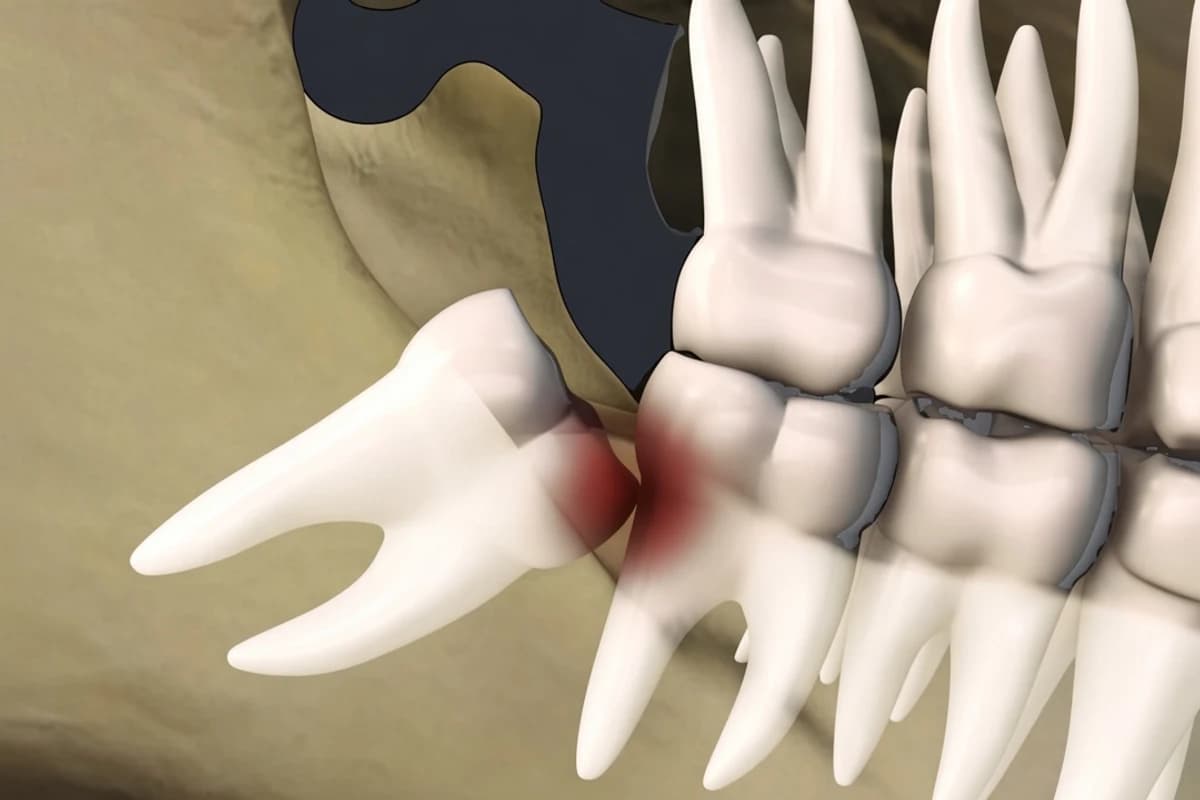
When there is not enough space, a wisdom tooth can stay under the gums or bone, which is called an impacted tooth. It can also come in only partway, or grow in at an angle toward the next tooth.
Impacted or poorly positioned third molars can cause pain, infection, damage to nearby teeth, or problems later. You do not have to wait for symptoms to get them checked.
An earlier evaluation — often in the mid to late teens — can make removal simpler than waiting until later. Dr. Chad M. Curtis, DDS looks at each tooth and tells you whether removal makes sense now, later, or not at all.
Why teens often recover more easily
- Roots are not fully formed yet
- The jawbone is usually less dense
- Healing potential is higher at a younger age.
Who it is for
You may need wisdom teeth removed for one or more of these reasons:
- The tooth is impacted under the gum or bone
- The gum around a partly erupted tooth gets irritated or infected
- The area is hard to clean and more likely to get cavities
- Food traps behind the last molar
- The tooth presses on nearby teeth or interferes with orthodontic work
- You want to lower the chance of a painful flare-up later
Fully erupted wisdom teeth that you can keep clean may not need to come out. That is a decision we make after an exam and imaging — not a default for every patient.
What to expect
The first visit is a consultation. Dr. Curtis will perform a full examination, medical history review, imaging review, and will come up with the treatment plan that best fits the individual patient. If you have any recent imaging, please bring it to this appointment or send it to us ahead of time.
On surgery day, the teeth are numbed. IV sedation is available if you want to be asleep. After adequate anesthesia, the teeth are removed.
Planning around school or work? See recovering from wisdom teeth and what to expect from removal.
Recovery
After wisdom teeth removal, most patients can expect to be numb for most of the day of the surgery and will experience mild to moderate swelling on days two, three, and four. Swelling typically lasts for up to one week. Medications prescribed for after the procedure can mitigate swelling and improve the post-operative recovery time.
What patients have said
Two comments from the practice record, shown with first name and last initial.
“Let's face it, no one wants to undergo oral surgery, but if you find yourself in that situation, these are the people you want by your side.”
“By far the most friendly attentive medical facility I have ever experienced.”
Questions patients ask
Do all wisdom teeth need to be removed?
Can I be sedated?
How long does the surgery take?
How soon can I go back to school or work?
Do I need a referral?
Related care
- Tooth extractionSimple and surgical removal of damaged or hopeless teeth, including broken roots and teeth under the gum.
- IV sedationMedicine through a small vein so you stay asleep during surgery, with continuous monitoring.
- Oral pathologyEvaluation and biopsy of sores, patches, lumps, or cysts in the mouth and jaws when something needs a clear diagnosis.
- Office in West Palm Beach1411 N Flagler Dr Ste 5200
West Palm Beach, FL 33401