Zygomatic, pterygoid, and transnasal implants
When the upper jaw has lost too much bone for a conventional implant, longer implants can be anchored in denser bone in the cheekbone, pterygoid plates, or lateral nasal walls. Dr. Chad Curtis reviews whether special implants, grafting and staging treatment, or conventional implant placement fits your specific anatomy.
Overview
These are sometimes called remote-anchorage implants. They are still implants, but they reach bone that is not in the usual tooth socket. They are considered for severe upper-jaw bone loss, not as a default for every missing tooth.
What each approach means
- Zygomatic implants: a longer implant that engages the cheekbone when the upper jaw itself is too thin or too short
- Pterygoid implants: an implant directed toward the pterygoid plate, the dense bone at the back of the upper jaw, often to support the back of a full-arch plan
- Transnasal implants: an implant whose path uses bone along the lateral nasal wall when that corridor is the more stable option on a scan
One plan may use one of these, or a combination, sometimes with conventional implants in the same arch.
A bone graft or a standard full-arch design can still be the better first step. Remote anchorage is an option when grafting is not ideal or has already been tried.
Who it is for
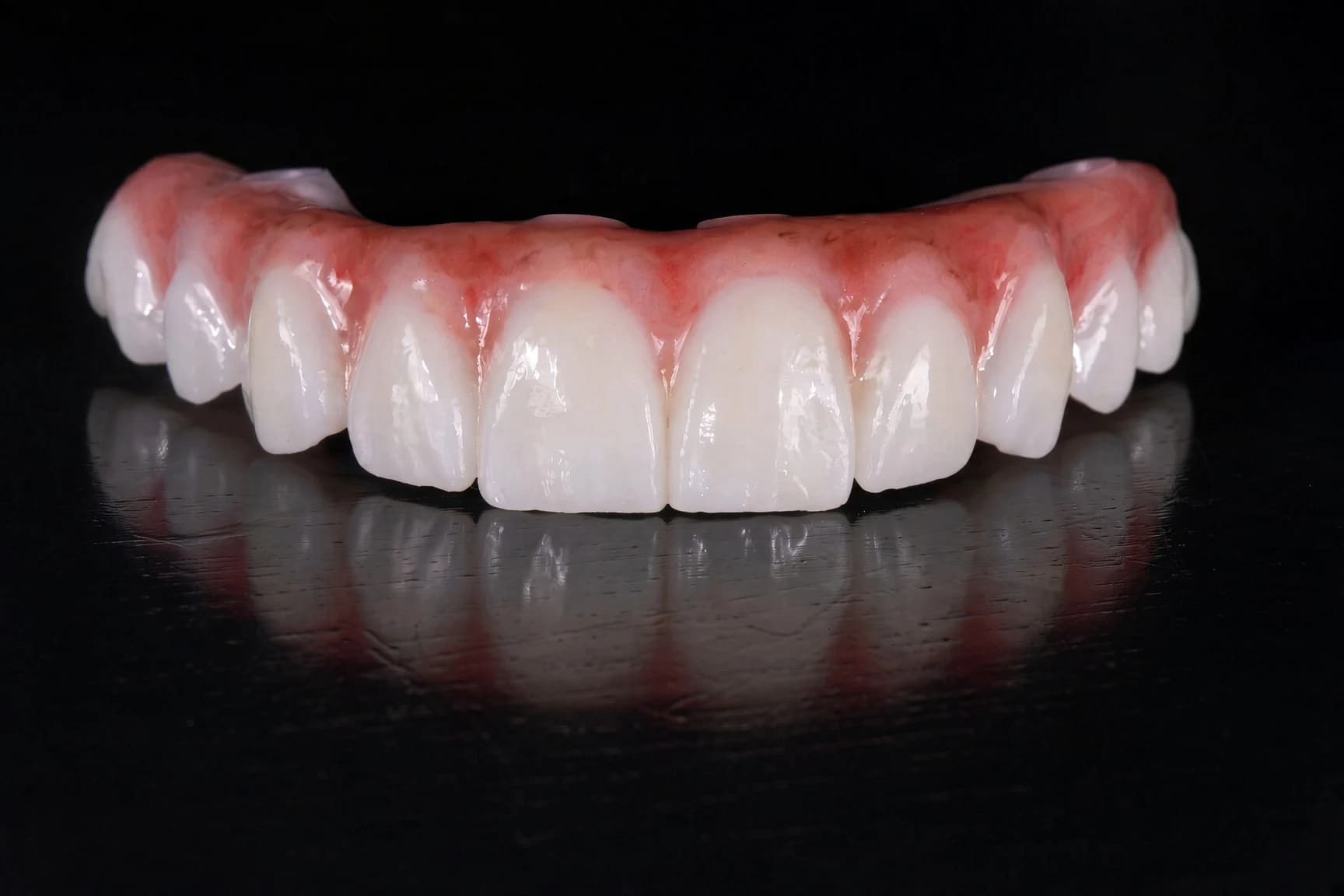
This conversation is for adults with little remaining upper-jaw bone — after long-term denture wear, infection, or a failed graft — who still want implant support for a fixed or removable prosthesis.
- You were told you do not have enough bone for conventional implants
- A large sinus or a collapsed ridge would make a routine implant sit in air or thin bone
- You already have a zygomatic or “remote anchorage” quote and want a second look
- You want to understand grafting versus remote anchorage before you decide
A single missing tooth with enough local bone does not need this page. Stay on dental implants.
What to expect
The first visit is the consultation. Dr. Curtis will perform an examination, review required imaging, and determine the optimized treatment plan for your particular situation. If remote anchorage is required, additional planning time will typically be required.
Surgery will be completed in either the office under IV sedation or in the operating room, depending on medical history and the extent of the surgery needed to give the patient a beautiful new smile.
The laboratory and restorative dentist will fabricate your teeth after the implants are placed.
Recovery
Expect swelling and a soft diet for several days. Bruising on the cheek or under the eye can happen with zygomatic work. Sinus pressure or a stuffy feeling can follow a transnasal or zygomatic path. We give written aftercare for nose blowing, diet, and cleaning.
Call the office if swelling worsens after the third day, a temporary tooth cracks, an implant feels loose, or you have a fever.
What patients have said
Two comments from the practice record, shown with first name and last initial.
“Let's face it, no one wants to undergo oral surgery, but if you find yourself in that situation, these are the people you want by your side.”
“By far the most friendly attentive medical facility I have ever experienced.”
Questions patients ask
What is a zygomatic implant?
When are pterygoid or transnasal implants used?
Is this instead of bone grafting?
Who makes the teeth?
Can I get a second opinion?
Related care
- Dental implantsReplaces a missing tooth with a post in the jaw that your dentist restores with a crown or bridge.
- Full-arch implantsA fixed full arch of teeth supported by four or more implants, sometimes with temporary teeth soon after surgery when you are a candidate.
- Bone graftingRebuilds jawbone when you need more bone for an implant or to repair a defect.
- Office in West Palm Beach1411 N Flagler Dr Ste 5200
West Palm Beach, FL 33401