IV sedation for oral surgery
IV sedation is achieved by administering medicine through a small vein so that you stay asleep during surgery. After IV sedation is achieved, local anesthetic will be used to numb the area where we will do surgery. This ensures that you will stay comfortable throughout the entire process and after waking up from the sedation.
Overview
We pick the lightest option that keeps you safe and still. Local anesthetic is still used even when you are sedated, so the site stays comfortable as you wake.
Comfort options, from lightest to deepest
- Local anesthesia: numbs only the surgical site; you stay fully awake
- IV sedation (most surgical visits): medicine through an IV so you stay asleep
- General anesthesia: fully unconscious, breathing tube needed. Typically done in the hospital.
Oral and maxillofacial surgeons have rigorous anesthesia training during residency. Dr. Curtis completed that training at the University of Cincinnati and Cincinnati Children's Hospital.
Who it is for
IV sedation is common with wisdom teeth, implants, full-arch surgery, and difficult extractions. Your full medical history and medication list will be reviewed and will determine the proper anesthetic plan.
What to expect
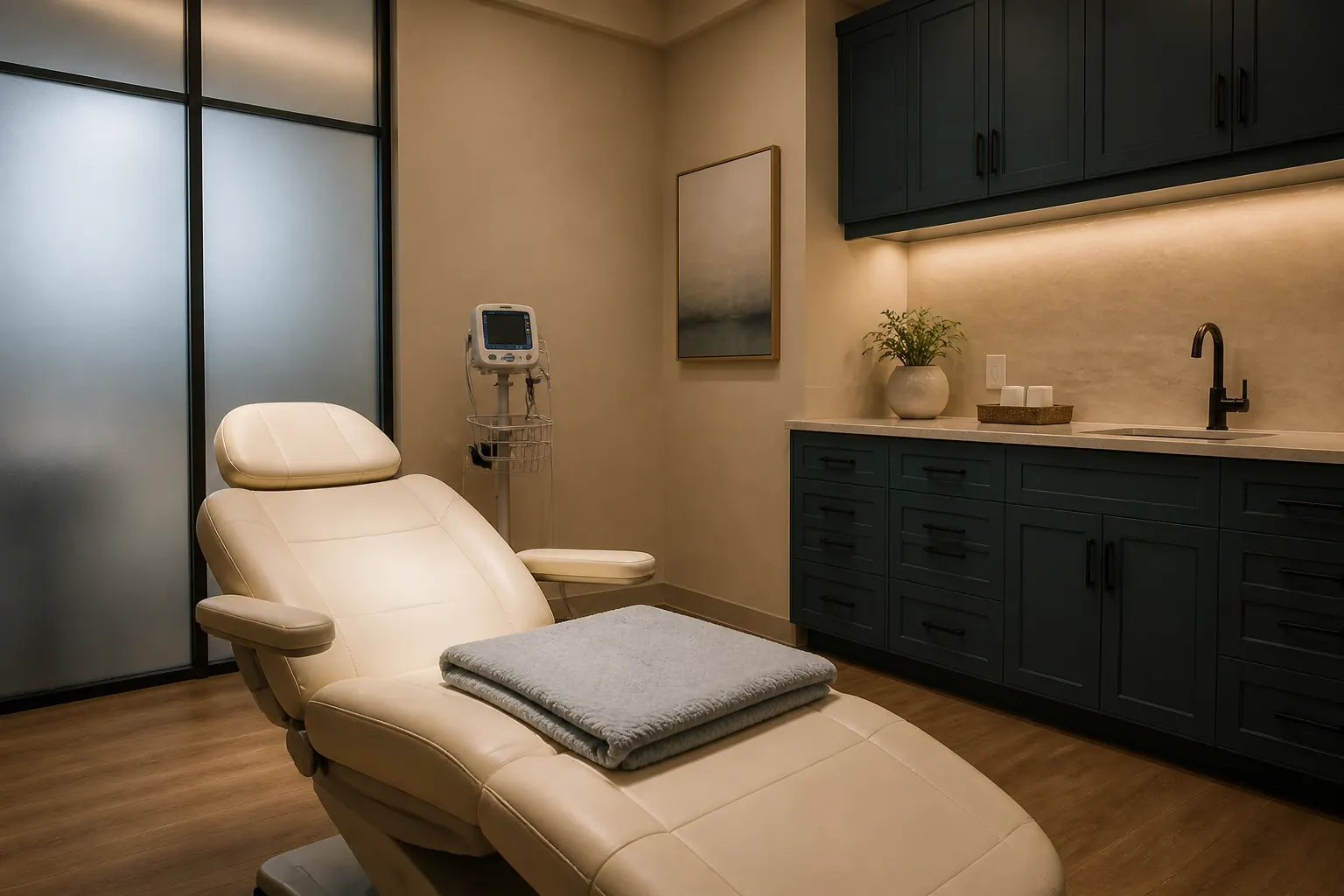
You will fast for 8 hours before surgery, but a small cup of water is okay. After you check in, we place monitors (oxygen, heart rhythm, blood pressure) and start a small IV, which is used to administer medicine.
When surgery ends, you recover in the chair until you can sit, drink a little, and walk with help. Your escort gets the aftercare instructions. Someone should stay with you the rest of the day.
A longer safety explainer is at IV sedation safety.
Recovery
Grogginess, a dry mouth, and a fuzzy memory of the morning are expected. Do not drive, drink alcohol, or sign important papers that day. The surgical recovery — swelling, diet, gauze — matches the procedure you had.
Call the office if you have trouble breathing, chest pain, prolonged vomiting, or if you cannot be roused in a normal way after you get home. Those events are uncommon. They are why an escort is not optional.
What patients have said
Two comments from the practice record, shown with first name and last initial.
“Let's face it, no one wants to undergo oral surgery, but if you find yourself in that situation, these are the people you want by your side.”
“By far the most friendly attentive medical facility I have ever experienced.”
Questions patients ask
Will I be completely unconscious?
Is IV sedation the same as general anesthesia?
Is office sedation safe?
Can I get sedation for a consult?
Related care
- Wisdom teethEvaluation of erupted and impacted third molars.
- Dental implantsReplaces a missing tooth with a post in the jaw that your dentist restores with a crown or bridge.
- Tooth extractionSimple and surgical removal of damaged or hopeless teeth, including broken roots and teeth under the gum.
- Office in West Palm Beach1411 N Flagler Dr Ste 5200
West Palm Beach, FL 33401